
How Do Porta Potties Work?
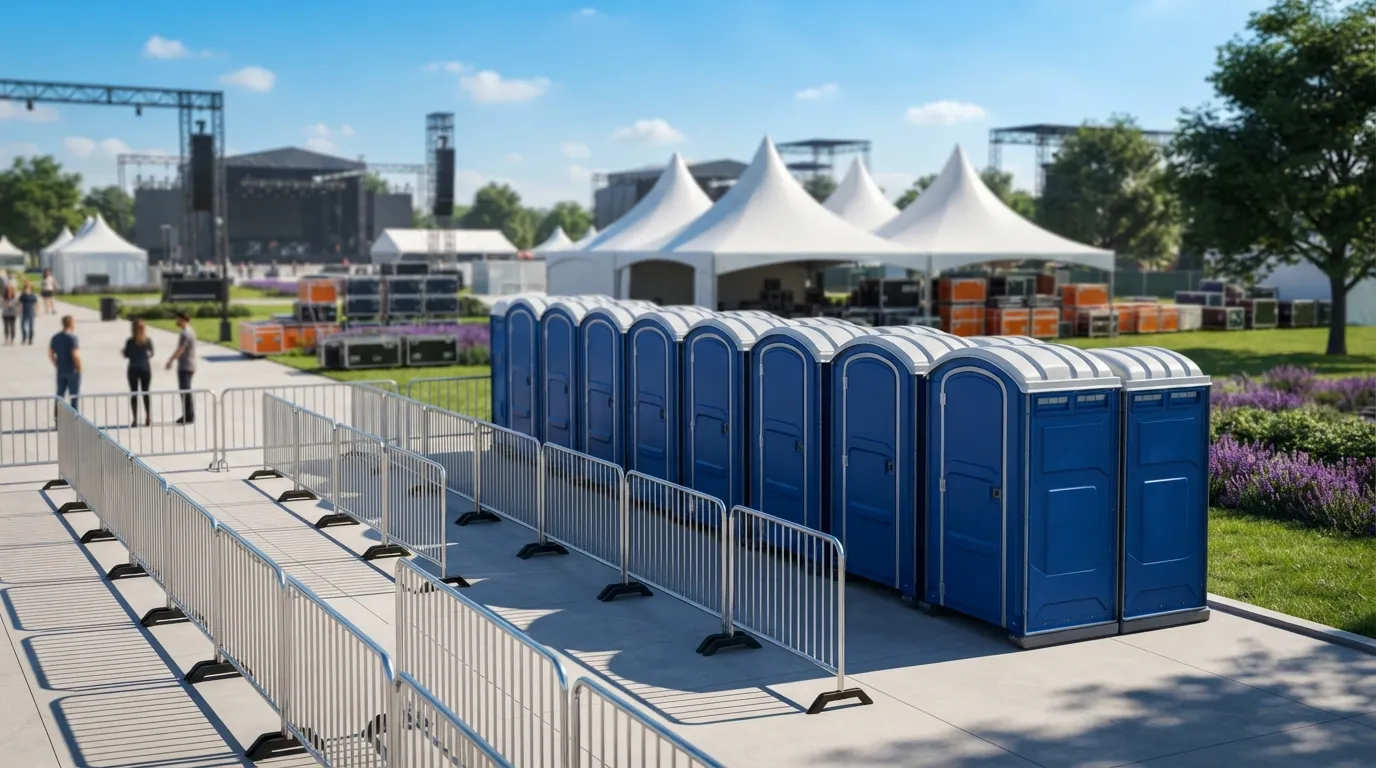
No plumbing, no water line, no septic tie-in. The tank sits directly under the seat, and a blue chemical deodorizer breaks down waste and cuts odor between service visits. A vent stack pulls air up and out, which is why you will see a pipe running up the back of most standard porta potty rental units in Columbia. Ground footprint is about 44 by 48 inches, and the unit stands roughly 92 inches tall, so it fits tight spaces on a job site or a backyard without much planning. There is no flush handle on a standard unit. That is the tradeoff for a design that needs zero hookups. For a construction worker running to a porta potty between shifts, the appeal is simple: it is always there, it does not freeze up a job schedule, and a portable toilet rental can go almost anywhere a truck can reach. Service crews pump the tank, wipe down surfaces and restock supplies on the visit, following the baseline interval described in ANSI/PSAI Z4.3 for a 40 hour week of use.
How Do Flushable Porta Potties Work?
A deluxe unit adds a foot pump or hand pump that pulls fresh water from a small onboard tank to rinse the bowl after use. It still drains into the same kind of holding tank underneath, so nothing gets plumbed into a Columbia sewer line. The deluxe flushable porta potty line is the step up from a standard unit, built for events, weddings and longer job assignments where comfort matters more than bare minimum. A restroom trailer takes this further with a real flush toilet and a fresh water supply, closer to a bathroom at home. If you are weighing options for an event restroom rental in Columbia, a trailer with multiple stalls handles higher guest counts better than a row of single units. Check the restroom trailer rental page for stall counts, from a 2 stall restroom trailer up to an 8 stall restroom trailer, depending on expected guest traffic.
How Does a Portable Sink Work?
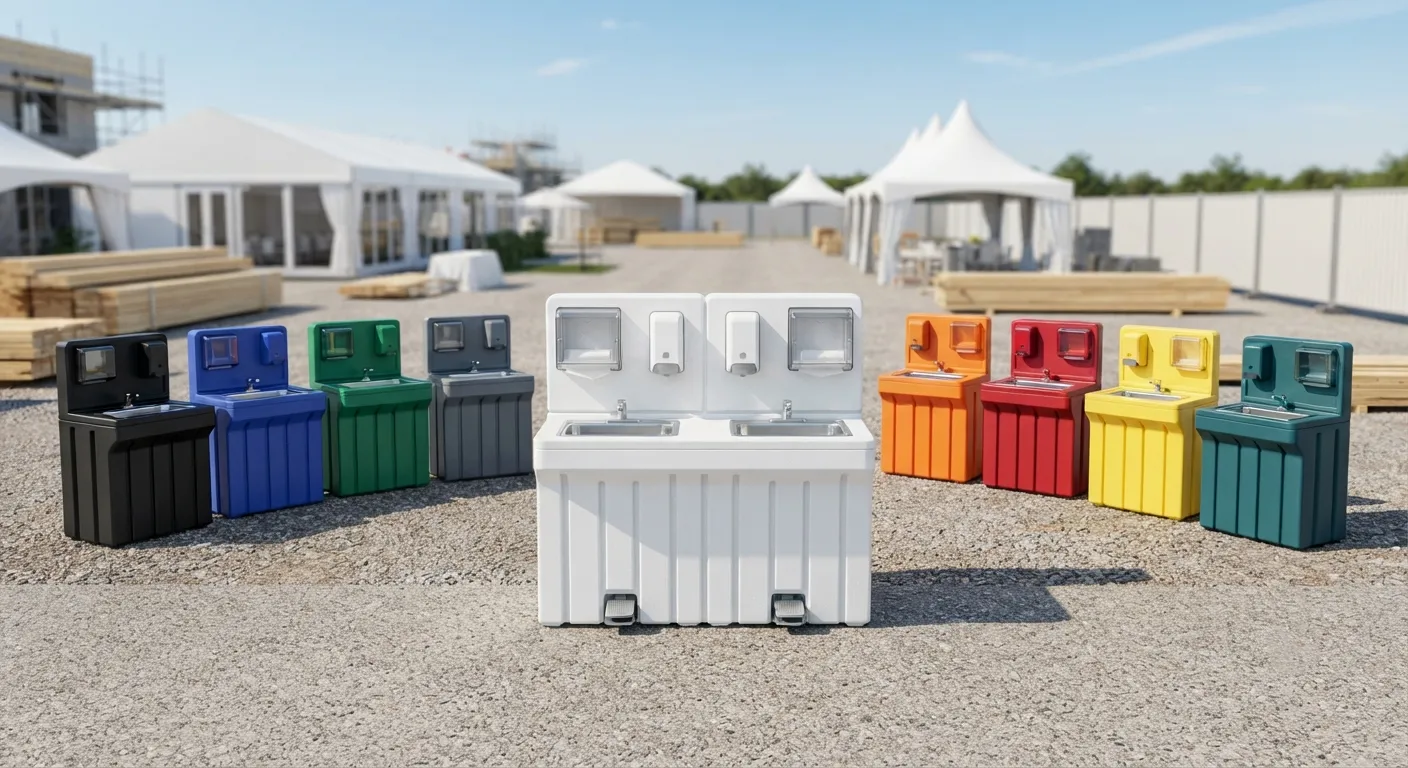
A portable handwashing station carries its own fresh water in a sealed tank, usually paired with a foot pump so hands never touch a shared handle. Wastewater drains into a separate holding tank underneath, and most units carry a built-in soap dispenser and paper towel holder. This matters because 29 CFR 1910.141(d)(2) requires soap and a towel or hand-drying device at washing facilities, and hand sanitizer alone does not satisfy that. A handwashing station rental pairs naturally with any restroom setup on a Columbia job site, and separate portable sink rental units work well for food vendors or a temporary kitchen setup. Note that OSHA 1926.51(f)(1) requires washing facilities specifically where workers apply paints, coatings, herbicides or insecticides, so a painting crew or pesticide applicator needs this covered, not just a general jobsite. A hand sanitizer station rental can supplement but should not replace a real sink where that rule applies.
Do Camping Porta Potties Work the Same Way?
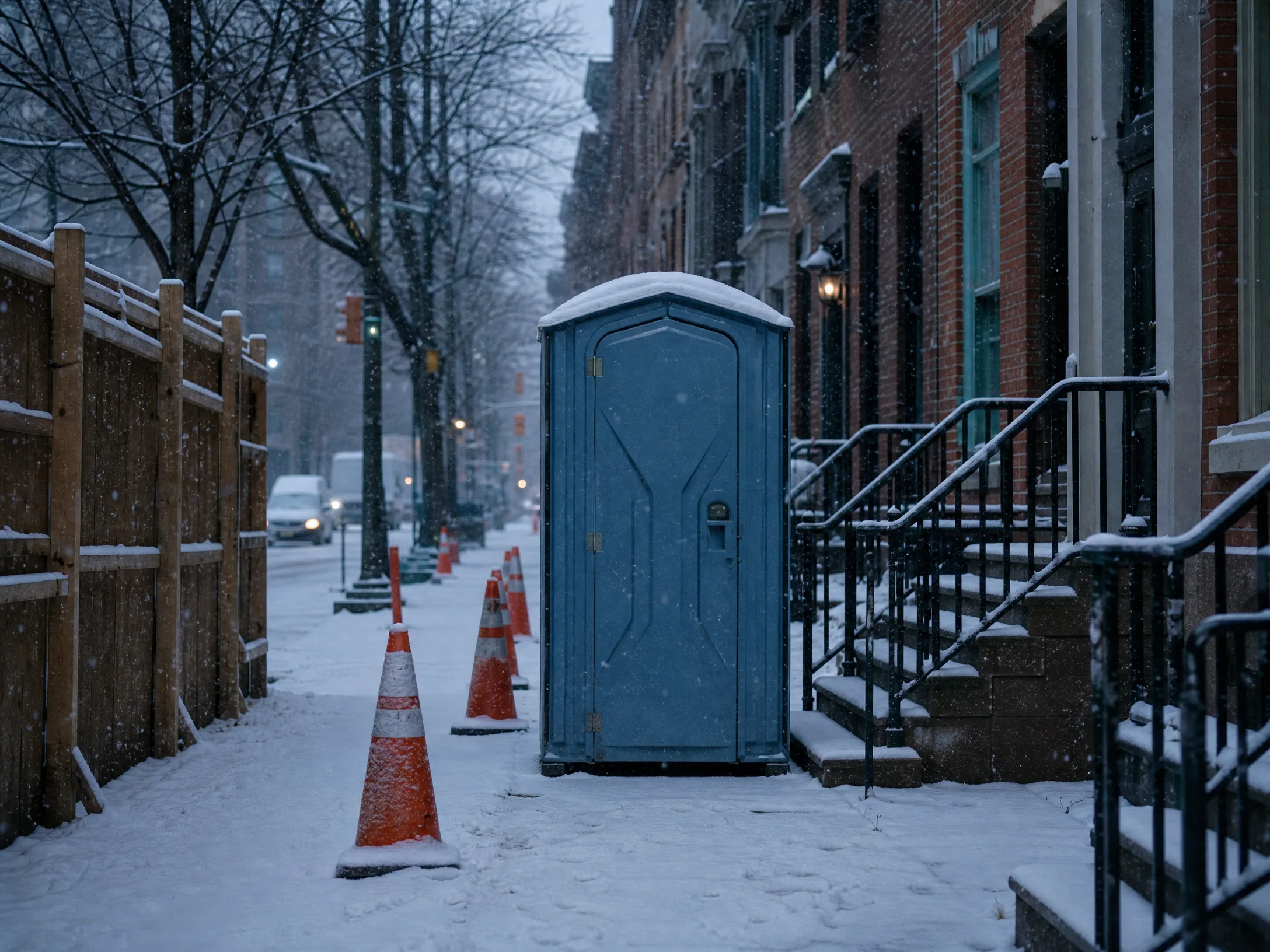
Camping and small event units work on the same basic principle as a jobsite unit, just scaled down. A smaller holding tank and a lighter frame make them easier to move to a remote spot, but the chemical breakdown process and the need for periodic pumping stay the same. For weekend camping trips or a small backyard gathering in Columbia, a camping porta potty from Columbia Porta Pros skips the plumbing questions entirely. Anyone renting for a construction crew instead of a weekend trip should look at how many units the crew actually needs. OSHA 1926.51(c) sets the ratio at one toilet for 20 workers or fewer, stepping up to one toilet seat and one urinal per 40 workers beyond that. That standard, along with jobsite headcount, drives the answer on how many porta potties do i need for any given crew size in Columbia or nearby in Forest Acres, 6.9 miles west.
Frequently Asked Questions
What chemicals go in a porta potty tank?
A blue deodorizing chemical goes into the holding tank to break down solid waste and control odor between service visits. Columbia Porta Pros uses standard portable toilet chemicals on every unit at delivery and on each scheduled pump-out, so a unit sitting for a week still stays usable and doesn't smell.
How often does a porta potty get serviced?
ANSI/PSAI Z4.3 sets a baseline of one service visit per week for up to 10 users over a 40 hour week. Busier events or larger crews need more frequent visits. Details on cleaning frequency are on how often are porta potties cleaned.
Do porta potties need a water hookup?
No. A standard unit runs entirely on its own holding tank and chemical treatment, with no water line and no sewer connection required. That is what makes them work on a raw lot or a fresh construction site anywhere in Columbia, no plumbing crew needed first.
Are porta potties ADA accessible?
Some are. ADA Standards section 213.2 requires that at least 5 percent of clustered single-user units be accessible, with a minimum of one. Accessible units have wider doors and more interior turning space. See ada accessible porta potty for specs.
How does a septic tank get cleaned differently from a porta potty?
A septic tank serves a fixed building and gets pumped out on-site, typically every 3 to 5 years depending on tank size and household size. A porta potty tank gets pumped on a weekly service route instead. Compare options on septic pumping service.
Next step
Get a delivery date
Tell us the address, the dates and the headcount. We size the order and confirm the route.