
What Counts as an Emergency Porta Potty Rental?
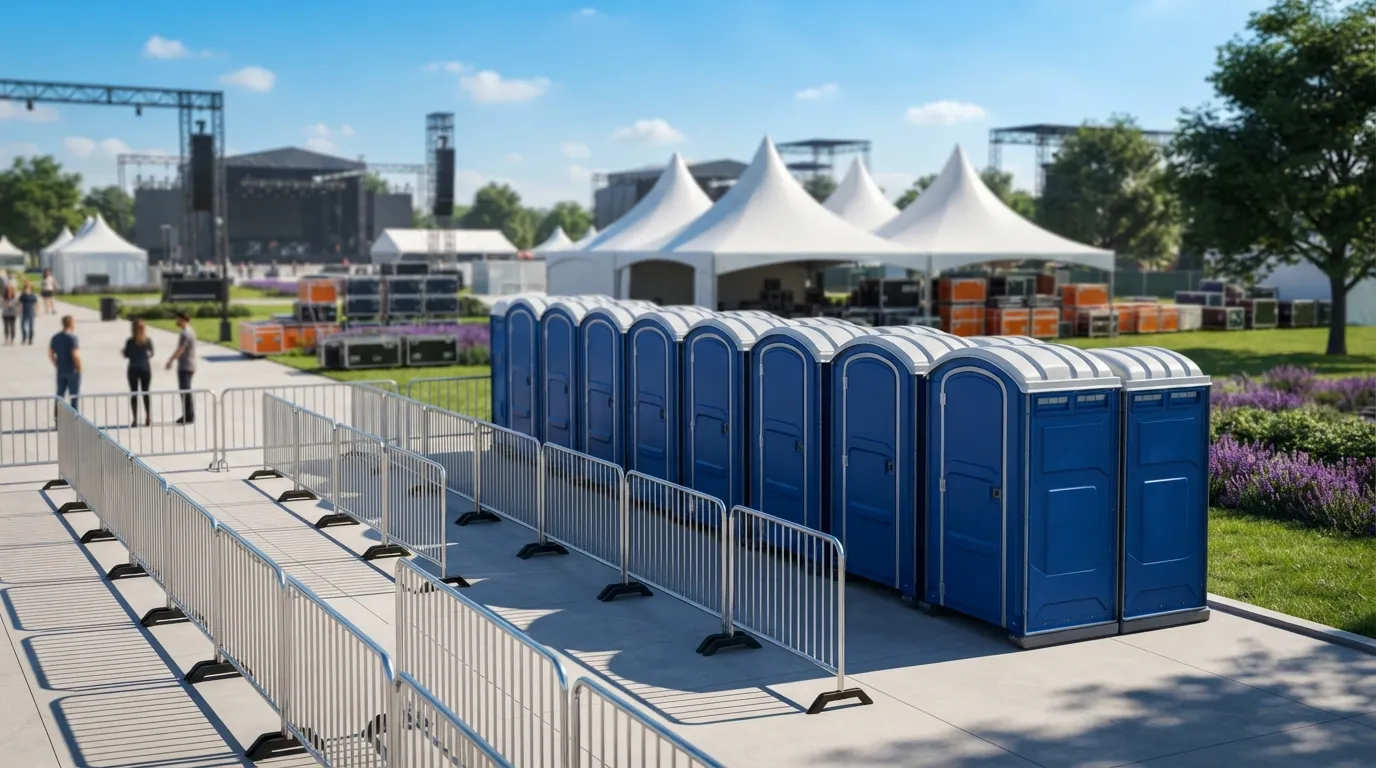
An emergency call is anything that cannot wait for a normal delivery window. A septic backup that shuts down a restaurant kitchen. A construction crew whose only standard porta potty rental unit got knocked over by a delivery truck. A festival that sold twice the tickets it planned for. Storm damage that took out a building's plumbing entirely. We treat all of these the same way: get a unit moving, figure out the paperwork after. If you are not sure whether your situation qualifies, call anyway. Columbia sees enough of these calls that we keep units staged for fast dispatch rather than pulling everything from one yard. For sites already running a portable toilet rental program, an emergency add-on unit slots in the same way a scheduled one would, same tank size, same service routine, just faster to the curb. If your emergency involves waste rather than restrooms, that is a different truck and a different page: see emergency septic service below.
How Fast Can You Get a Unit to My Site?
Speed depends on distance and what is already on the truck. Columbia jobs move first. Forest Acres, 6.9 miles west, and Woodfield, 8.0 miles northwest, typically see the shortest emergency windows because they sit closest to our staging point. Dentsville is 8.8 miles northwest, Capitol View 10.8 miles south, and Arthurtown 12.5 miles southwest; all three are workable same-day depending on call time. West Columbia sits 14.1 miles west and Cayce 17.0 miles southwest, both still inside a normal emergency run. A standard unit holds a 60 to 70 gallon tank and measures about 44 by 48 inches on the ground, so it clears most gates and alleys without a special truck. If your site needs an ADA accessible porta potty on the emergency call, say so up front. ADA Standards section 213.2 requires at least one accessible unit in any cluster of single-user toilets, and we do not want to roll a second truck for that after the fact.
Do You Handle Emergency Septic Pumping and Grease Trap Service?
Yes. Emergency septic pumping and emergency grease trap pumping are separate trucks from the toilet fleet, and they run on their own dispatch. A grease interceptor needs pumping once fats, oils, grease and solids reach 25 percent of the liquid depth, which for a busy kitchen can happen faster than the maintenance schedule expects. A residential tank is typically pumped every 3 to 5 years depending on tank size and household count, but a failure does not wait for that window. If a tank is backing up into the yard or the building, call our emergency septic service line rather than the general septic pumping service queue, since the emergency line gets priority routing. Ongoing grease work is scheduled through grease trap pumping, but a Friday-night overflow gets the same same-day treatment as a toilet emergency. If your business needs a holding tank while the main system is offline, ask about holding tank rental as a bridge.
What Does Emergency Delivery Cost in Columbia?
Emergency pricing runs higher than a scheduled delivery because it means pulling a truck off its route and re-sequencing the day. Expect a delivery premium on top of the unit rate itself, and expect septic and grease calls to price closer to a service call than a rental.
| Service | Standard Rate Window | Typical Range |
|---|---|---|
| Standard unit, day | scheduled | $100 to $350 |
| Standard unit, weekend | scheduled | $125 to $400 |
| Septic pumping, day call | scheduled | $150 to $300 |
| Delivery fee, day | rush | $100 to $500 |
| Service fee, weekend | after-hours | $400 to $1,200 |
For a shower trailer emergency, such as a hotel or gym losing water service, expect trailer weekend rates in the $900 to $3,000 range depending on stall count; check shower trailer rental for the standing option and restroom trailer rental for the full unit. Full breakdowns for non-emergency pricing live at porta potty rental cost and porta potty rental per day, which are worth checking before you call so you know what a rushed rate is actually buying you.
Every unit we place, emergency or not, still needs to meet the basic sanitation math. OSHA 1926.51(c)(1) sets construction toilet ratios at one unit for 20 workers or fewer, stepping up from there, and that rule does not pause for a crisis. If your emergency is a wipeout of your existing count mid-project, how many porta potties do I need will get you back to a compliant number fast. Storm and disaster response jobs sometimes need a different approach entirely; see disaster relief sanitation if you are coordinating a larger response rather than a single site.
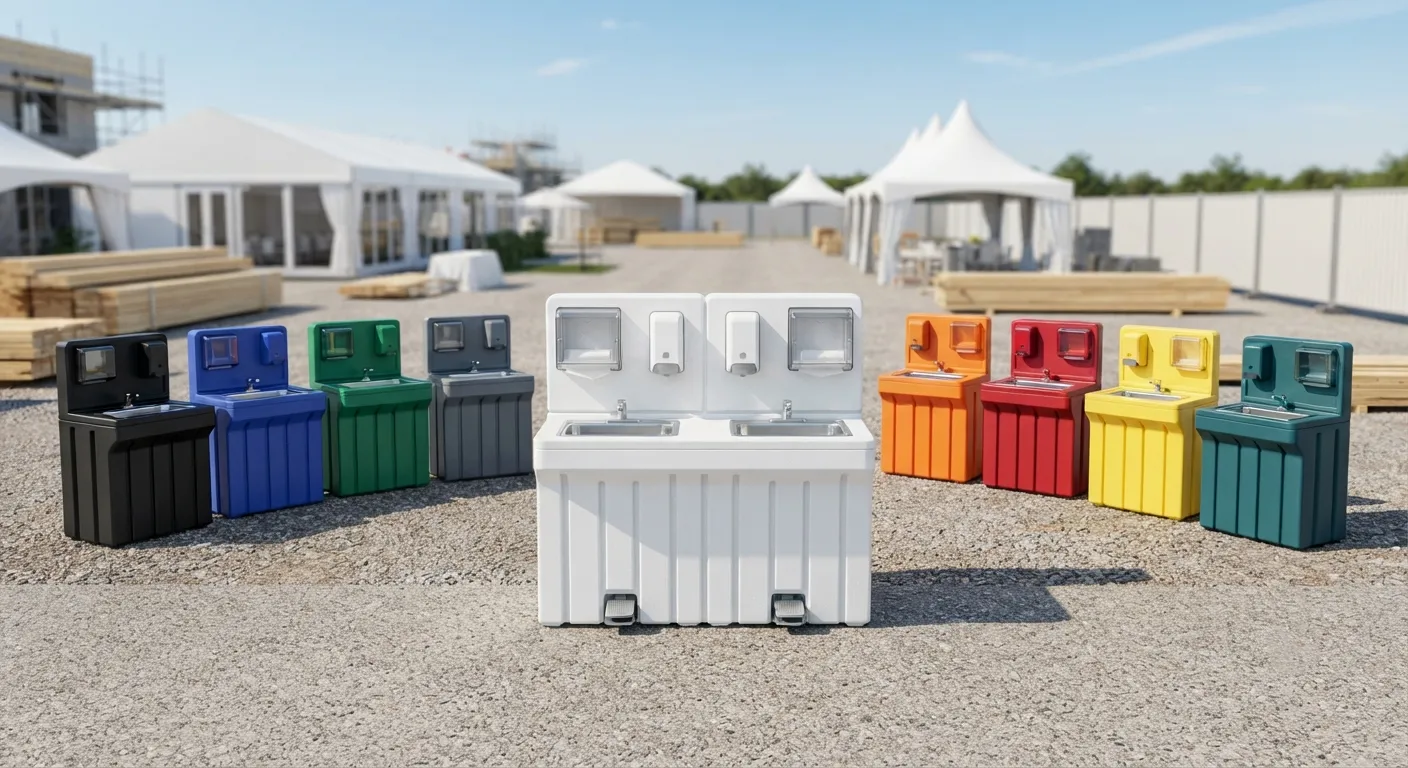
Placement still matters even under time pressure. A unit dropped on soft ground or blocking a fire lane creates a second emergency. If you are working from a truck-side decision, our porta potty placement guide covers clearance basics, and a roll-off delivery specifically needs about 60 feet of straight clearance behind the truck if debris removal is part of the same emergency call. For handwashing tied to an emergency food service or medical setup, 29 CFR 1910.141(d)2 requires soap and towels or a hand-drying device at the station; hand sanitizer alone does not meet it, so ask for a full handwashing station rental rather than a sanitizer stand if that requirement applies to you.
How quickly can Columbia Porta Pros deliver in an emergency?
Most emergency calls in Columbia get a unit on-site same day, sometimes within a few hours, depending on call time and distance. Closer towns like Forest Acres and Woodfield see faster windows. Call early in the day for the best shot at same-day delivery.
Does emergency service cost more than a scheduled rental?
Yes. Expect a delivery premium and, for after-hours calls, a higher service fee, generally in the $400 to $1,200 range for a weekend service call. The unit rate itself stays close to standard pricing; the premium covers the rush.
Can you handle an emergency shower trailer request?
Yes, for hotels, gyms, or job sites that lose water service unexpectedly. Shower trailer availability depends on stall count and current fleet location. Weekend trailer rates typically run $900 to $3,000; call to confirm what is available same day.
What if my septic emergency happens outside Columbia city limits?
We still respond. Driving distance affects timing more than city boundaries do; towns like Lexington and Cayce are still within normal emergency range. Confirm your address when you call so we can route the closest available truck.
Do you require a contract for emergency service?
No standing contract is required for a one-time emergency call. We will confirm unit type, duration, and site access over the phone, then follow up with paperwork after delivery so the truck does not sit waiting on signatures.
Next step
Get a delivery date
Tell us the address, the dates and the headcount. We size the order and confirm the route.