
Where should a porta potty go on my property?
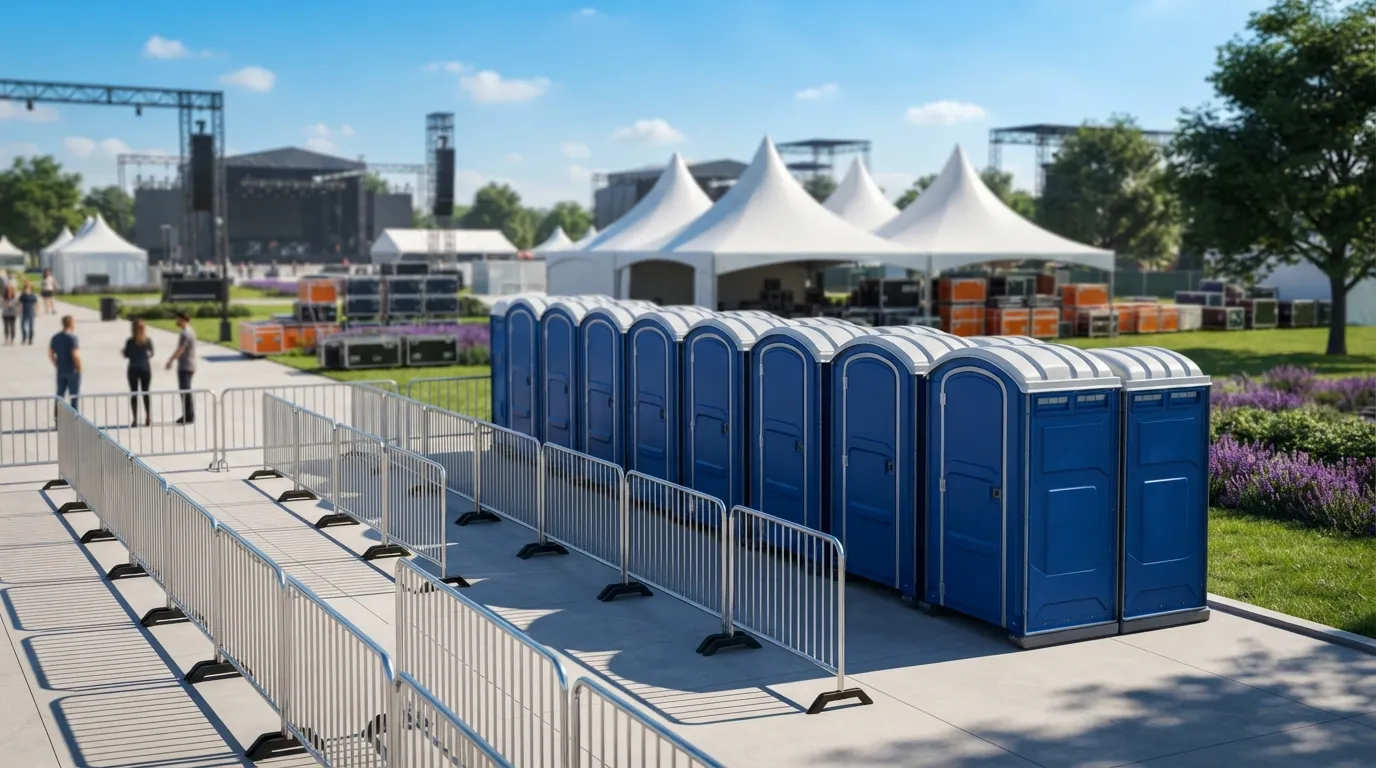
Pick flat, firm ground first. ADA Standards section 302.1 calls for surfaces that are stable and slip resistant, and that rule of thumb holds even for standard units without a ramp. Skip soft lawn after rain and skip gravel that shifts under the unit's base. Leave the service truck a straight shot at the door, since our drivers need room to pull the hose and swap tanks without dragging equipment across landscaping. If you're placing units for a jobsite, construction site services usually call for a spot near the entrance so subs don't cross the whole property to use it. For a backyard party, keep it close to the action but downwind of the food tables. Homeowners doing a remodel often ask the same question we cover on home renovation porta potty placement: driveway edge beats side yard almost every time, because the truck can service it without entering the property at all. If you're unsure how many units the site needs before you even get to placement, how many porta potties do I need walks through the math.
What are the porta potty placement rules for accessibility?
ADA Standards section 213.2 requires that when single-user portable toilets are clustered, at least 5 percent of the units be accessible, and never fewer than one. That means a jobsite with a bank of five standard units needs at least one ADA unit in the row, not off to the side. The accessible unit itself needs a 60 inch turning circle inside per section 304.3.1, a 32 inch clear door opening under section 404.2.3, and a 36 inch clear path leading up to it under section 403.5.1. Ramps, where used, can't exceed a 1:12 slope per section 405.2. We cover the fuller spec sheet on ADA restroom requirements, and the unit itself is detailed on ADA accessible porta potty. Grab handles and door latches also need to work with one hand and under 5 pounds of force, per section 309.4, which matters for anyone with limited grip strength. Event planners in Columbia running a race or festival should plan accessible placement into the route map early, not as an afterthought once tape is already down.
Do I need a permit to place a porta potty or dumpster in Columbia?
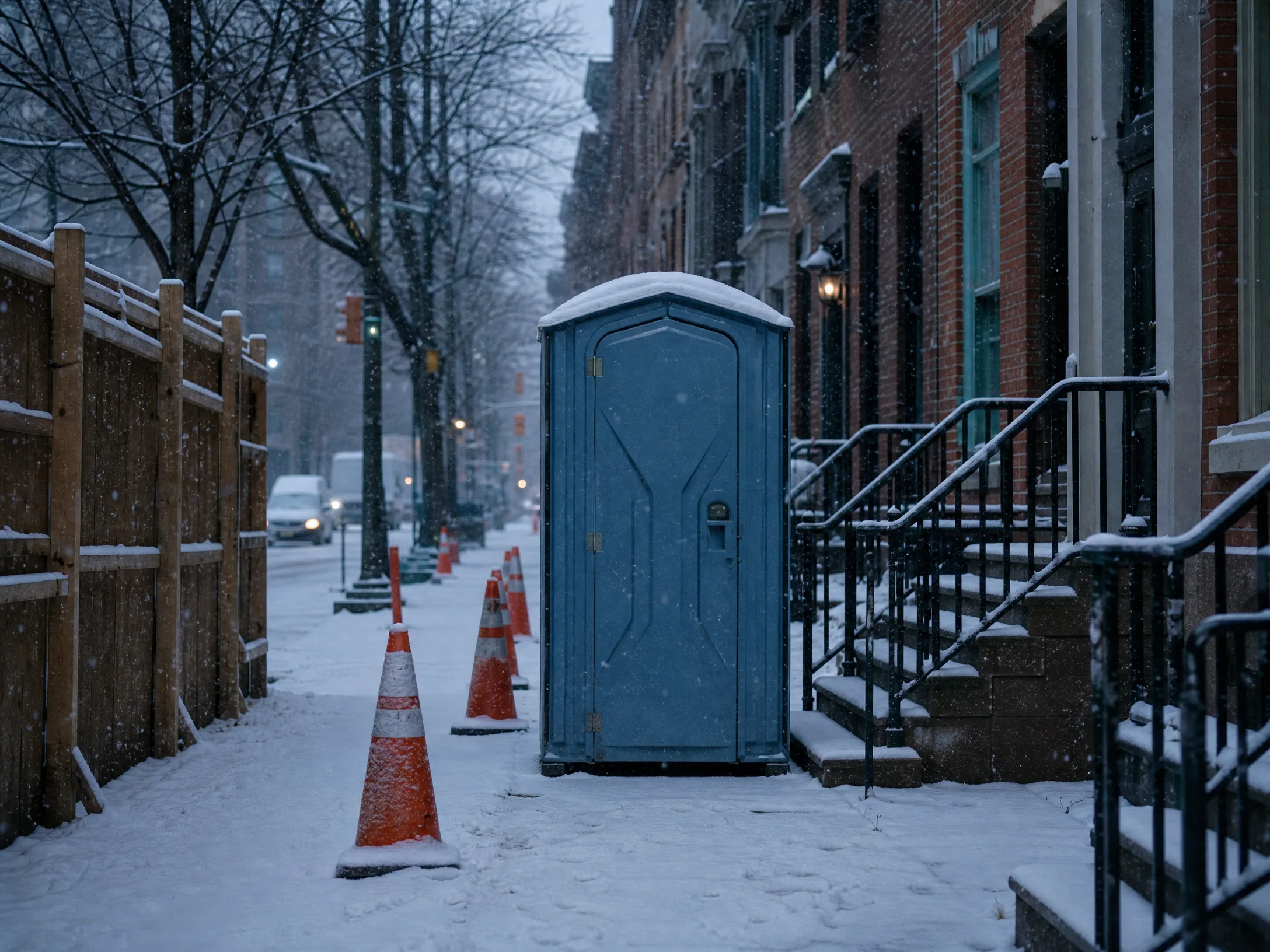
Placement in the public right of way, on a street shoulder, or blocking a sidewalk needs confirming with the City of Columbia before delivery day. We're not going to guess at a fee or an ordinance number here since permit rules and dumpster placement permit cost vary and change, so check with the city directly rather than relying on a number quoted online. The same caution applies to a dumpster placement permit for a roll-off sitting on a public street rather than a private driveway. Private property placement is far simpler and rarely triggers any permit question at all. If your project sits on private land in Columbia, or in nearby Forest Acres 6.9 miles west or Cayce 17.0 miles southwest, permit questions usually don't come up unless the unit sits in view of the street or blocks a public path. Our porta potty permit requirements page and dumpster permit requirements page both point you toward the confirmation step rather than a guessed answer, because a wrong guess costs you a delivery delay.
What clearance does a dumpster or storage container need?
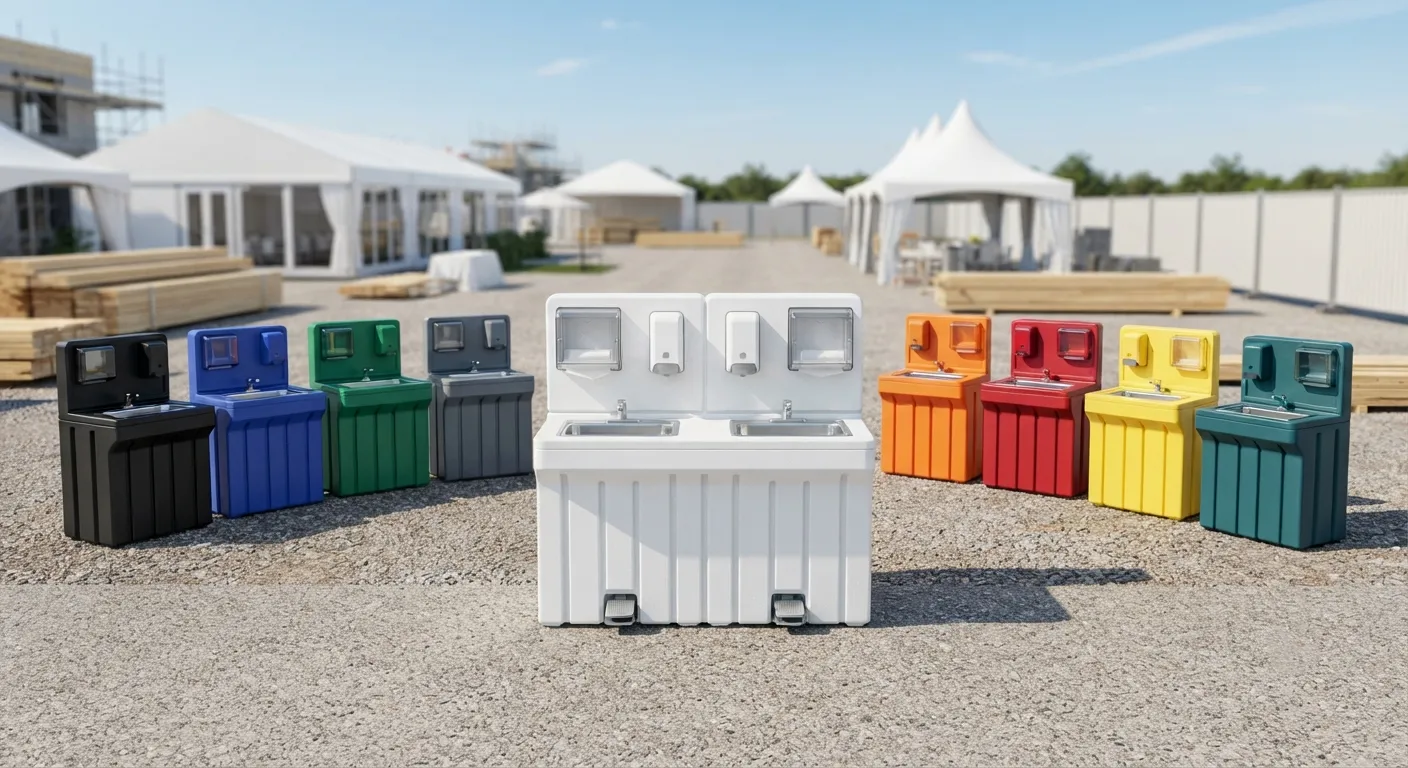
A roll-off delivery needs about 60 feet of straight clearance behind the truck to back in safely, so measure your driveway or lot before booking a roll-off dumpster rental. Overhead clearance matters just as much as depth: low tree limbs and power lines both stop a delivery cold. If you're comparing box sizes against your lot's footprint, dumpster sizes and dimensions has the numbers side by side. Storage containers need less runway but still want a flat pad; see storage container rental or the 20ft storage container page for footprint specifics. A mobile office trailer needs its own leveling and, on older units, mobile office trailer replacement doors are sometimes needed after storm damage or heavy use, which our crews can flag during delivery. For handwashing setups near a placed toilet bank, remember that 29 CFR 1910.141(d)(2) requires soap and towels or a drying device, not just sanitizer, so budget space for a proper handwashing station rental or portable sink rental next to the units, not thirty feet away.
How far from a building should a porta potty sit?
Keep it at least a few feet off any exterior door or window and clear of dryer vents or AC intake. There's no fixed Columbia code number for this distance, so use common sense on odor drift and service access, and give the truck door-side clearance to work.
Can a porta potty sit on grass or dirt?
Yes, if the ground is level and firm. Avoid soft or sloped turf after rain, since a leaning unit is both a tip hazard and harder to service. A paver or gravel pad under the base solves most soft-ground problems.
Does OSHA regulate where jobsite toilets are placed?
OSHA 1926.51(c) sets required toilet counts by crew size but doesn't dictate exact placement distance. Most contractors keep units within a short walk of the work area, and ANSI/PSAI Z4.3 sets the standard weekly service interval that placement should support.
What if my septic tank needs pumping instead of a rental unit?
A residential septic tank is typically pumped every 3 to 5 years depending on tank size and household use. See septic pumping service or how often to pump a septic tank for the fuller schedule, and septic tank warning signs if you're seeing slow drains now.
Where can I find replacement parts for a portable handwash sink?
Ozark River portable sink replacement parts typically come through the sink manufacturer or a service supplier, not through the rental company directly. Ask us when you book a handwashing station rental and we'll point you to the right source.
Next step
Get a delivery date
Tell us the address, the dates and the headcount. We size the order and confirm the route.